Infrastructure, Intelligence and the Rise of Lifestyle-Led Real Estate in India
India’s luxury real estate market is undergoing a structural shift. What was once driven primarily by aspiration and prestige is increasingly shaped by infrastructure expansion, evolving wealth patterns, and lifestyle migration. As connectivity improves and new growth corridors emerge, second homes are transitioning from discretionary indulgences into strategic lifestyle assets.
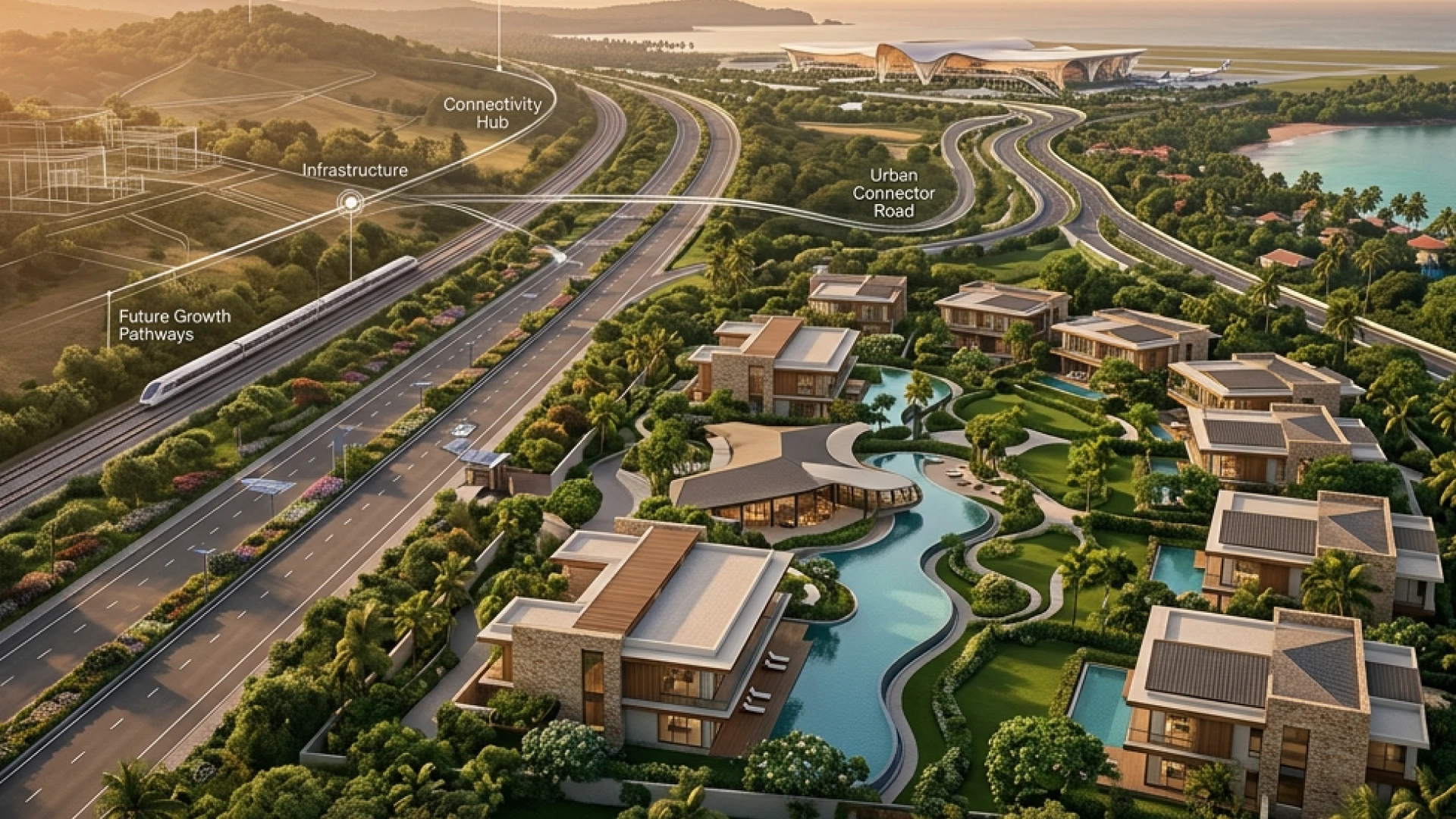
This shift is visible in destinations like North Goa’s MOPA Airport region (NGMA). Since the operationalisation of Manohar International Airport, the region has seen accelerating passenger throughput, contributing to a redistribution of tourism and hospitality activity across Goa. In FY 2024–25, MOPA handled over 4.6 million passengers, operating near designed capacity, reflecting sustained travel demand. Tourism figures for 2024 indicate more than one crore total visitors to Goa, reinforcing the state’s continued relevance as a premium leisure destination. For real estate investors, such metrics matter connectivity and sustained visitor volume often precede residential absorption and long-term value appreciation.
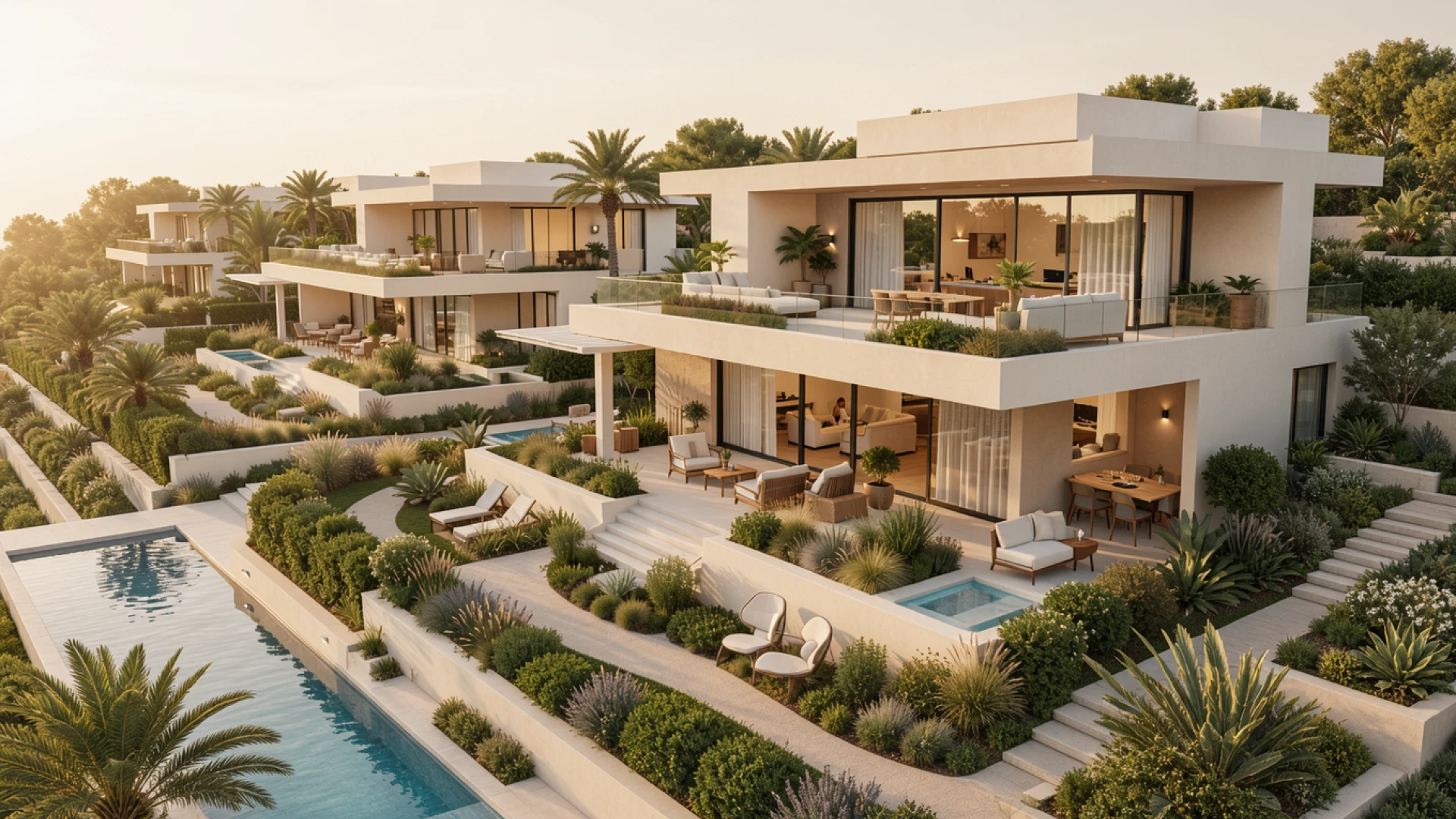
From Weekend Homes to Strategic Lifestyle Assets
Luxury second homes today are evaluated differently than a decade ago. Modern buyers including entrepreneurs, global professionals, and second-generation wealth creators are looking beyond aesthetics. They assess infrastructure depth, hospitality ecosystem maturity, exit liquidity, and long-term demand sustainability. A second home must serve dual purposes: a personal retreat and a resilient asset capable of performing across market cycles.
This shift aligns with broader behavioural trends. With hybrid work, distributed business models, and lifestyle mobility becoming mainstream, affluent buyers are spending more time outside primary metros. Leisure destinations are no longer seasonal - they are evolving into secondary living hubs.
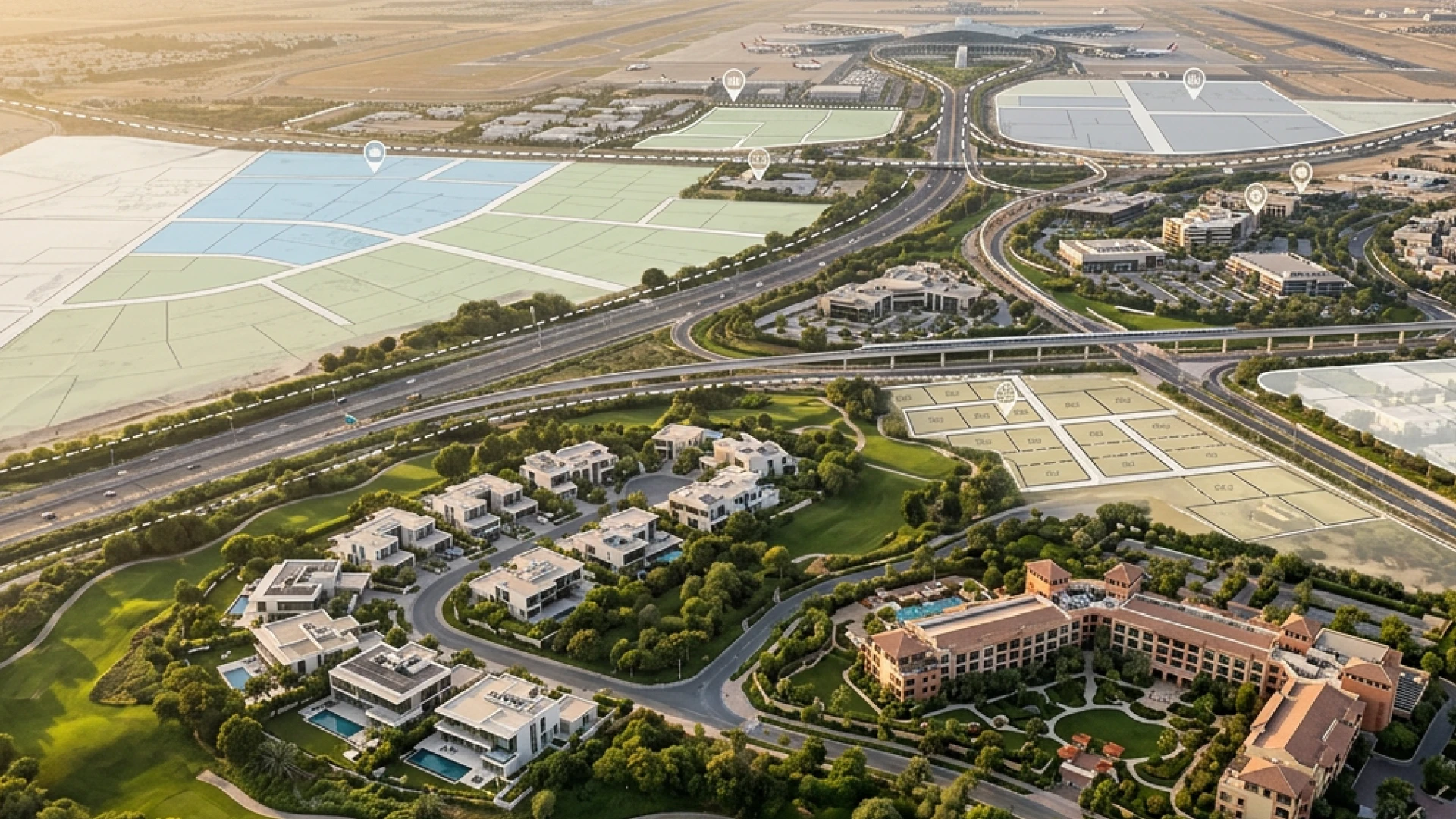
Land Intelligence and Infrastructure as Value Drivers
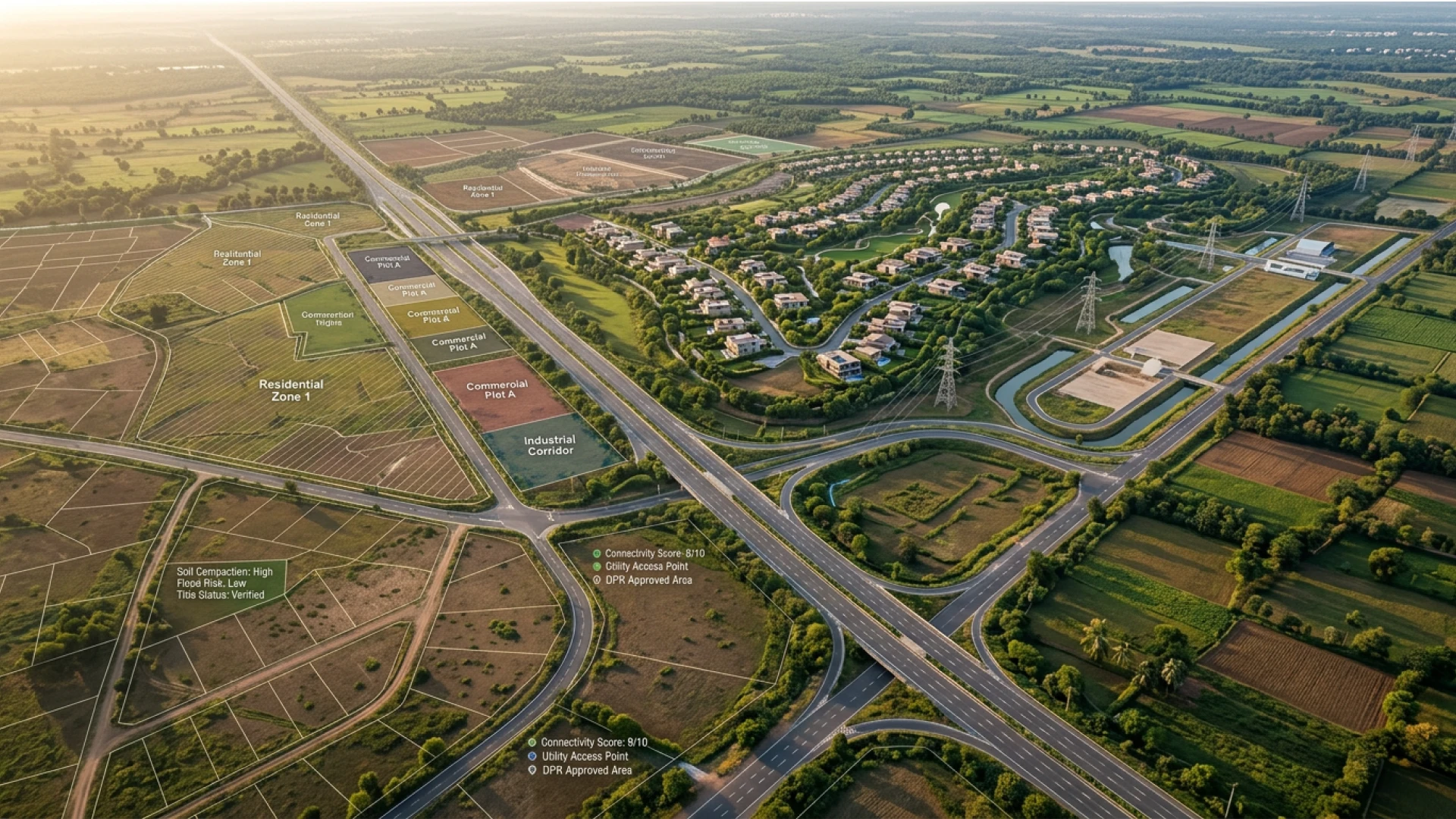
While architecture remains important, long-term value is rooted in land intelligence and infrastructure alignment. Emerging corridors backed by airport connectivity, hospitality expansion, and tourism growth tend to experience structured development rather than speculative spikes.
In NGMA, the confluence of airport-led growth, hospitality brand entry, and infrastructure investment has created a measurable foundation for residential demand. Developments positioned within such corridors benefit not merely from visual appeal, but from underlying structural momentum.
This is increasingly how institutional investors and sophisticated buyers evaluate second-home markets through the lens of corridor transformation rather than isolated projects.
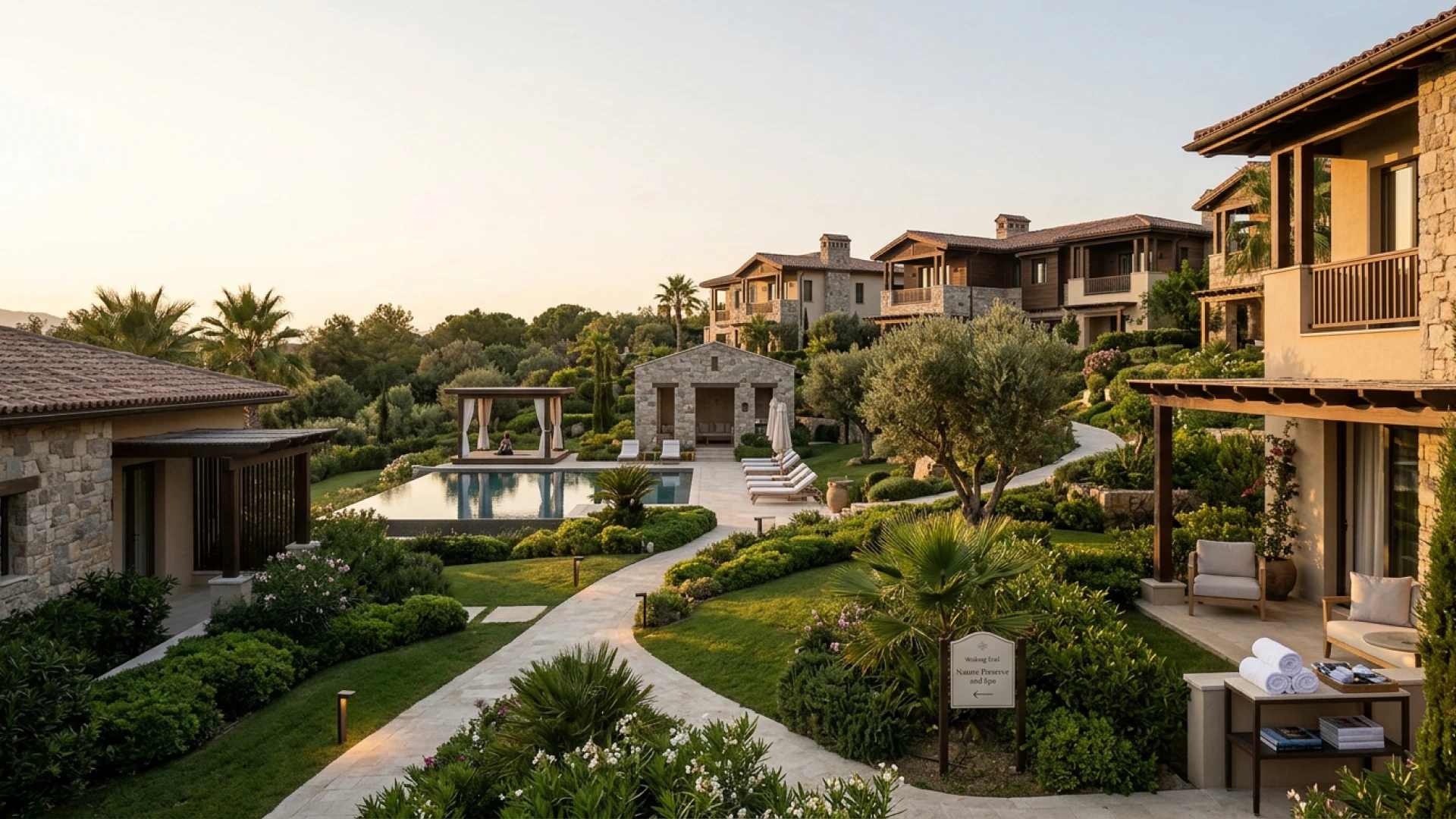
Hospitality-Led Ownership and Operational Performance
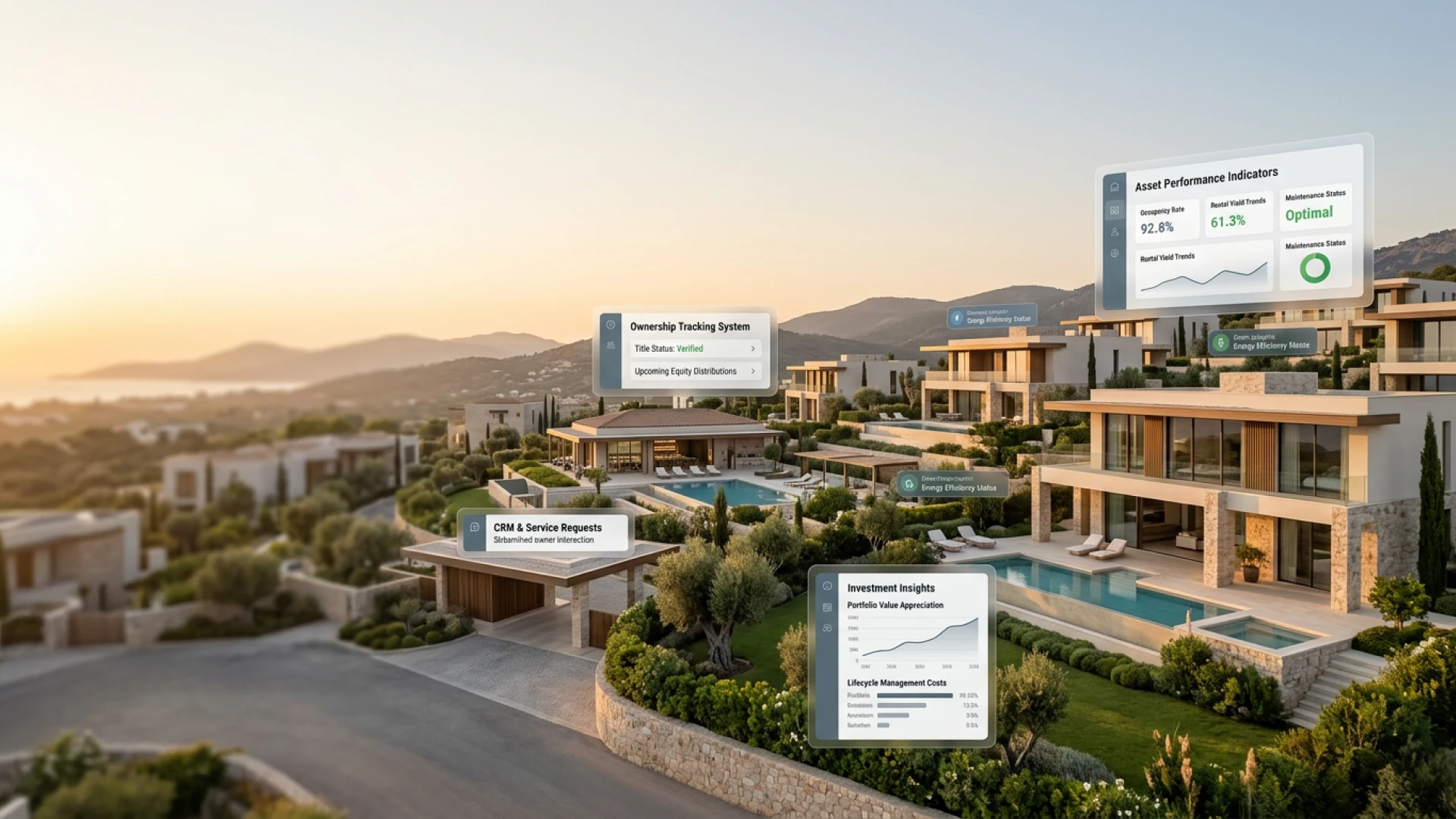
Luxury today is not only about how a home looks, but how it operates. Globally, hospitality-integrated residential models have demonstrated stronger usability rates, improved maintenance standards, and greater rental readiness. Managed environments reduce friction, preserve asset quality, and enhance resale perception.
For buyers seeking both lifestyle enjoyment and financial prudence, professionally managed second homes offer a balanced proposition. The ability to monetise selectively, maintain standards consistently, and ensure service continuity adds a layer of performance often absent in standalone villas.
The Next Decade of Luxury Real Estate
As India’s wealth base expands and infrastructure connectivity deepens, second-home markets will continue to evolve. The differentiator will not be scale alone, but alignment between land selection, design longevity, operational discipline, and macro growth drivers.
In this environment, luxury developments that combine contextual architecture, infrastructure-backed positioning, and hospitality-led ownership frameworks are likely to demonstrate stronger resilience. The future of second homes in India will not be defined merely by where they are built, but by how intelligently they are conceived and how sustainably they are positioned within emerging growth corridors.