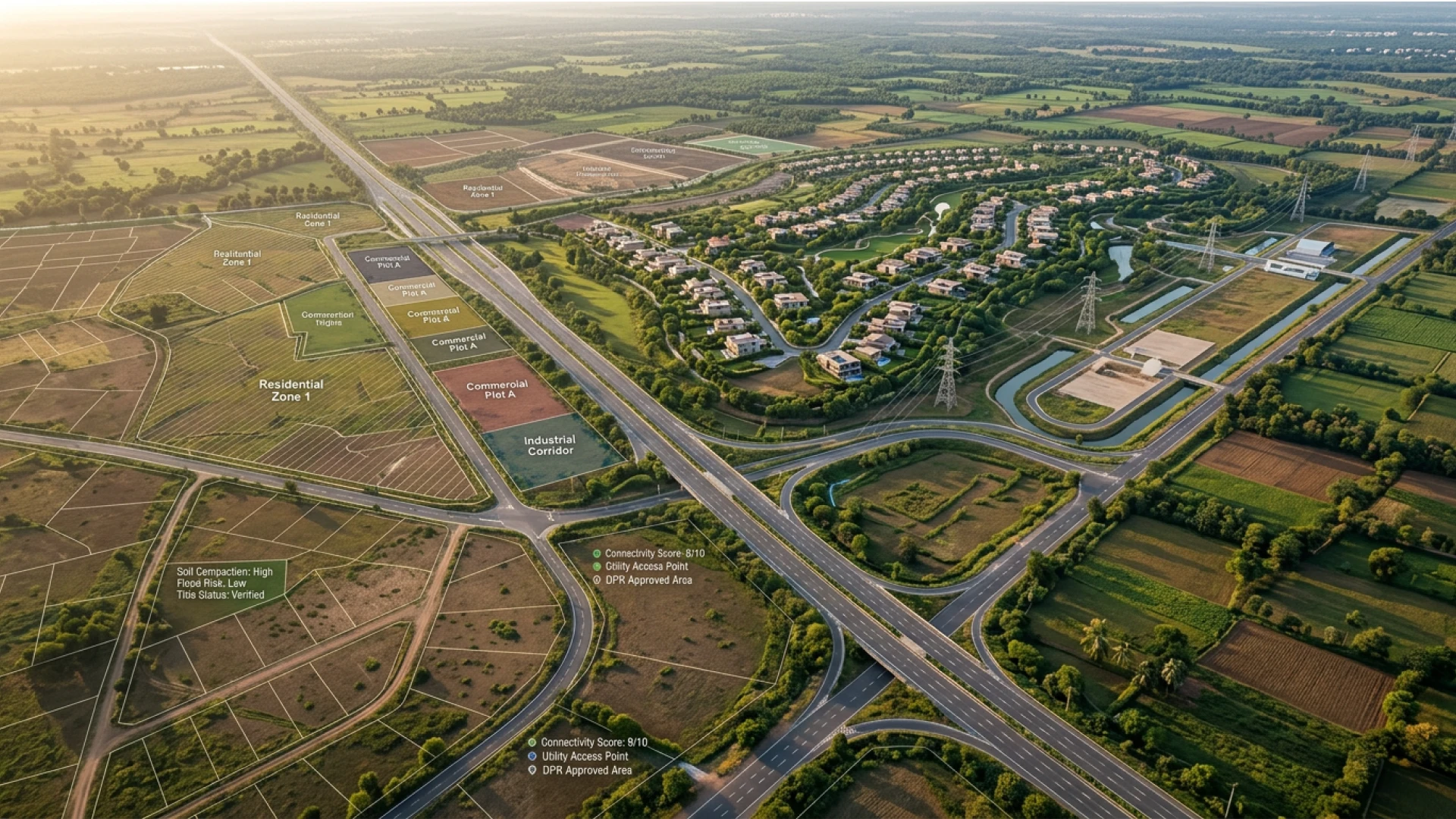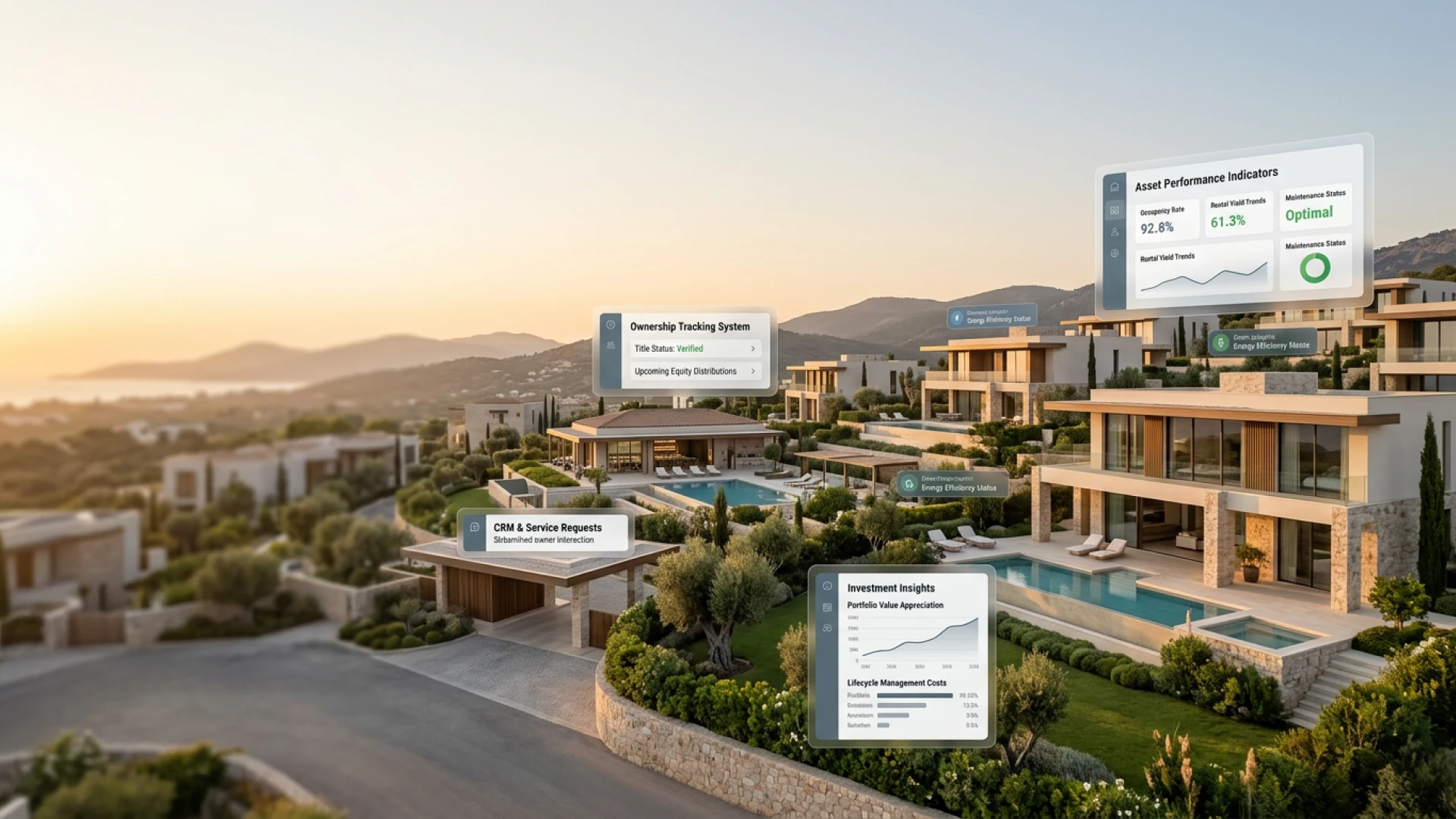
How Data, Visibility and Lifecycle Intelligence Are Reshaping Real Estate in India
Real estate is no longer driven by intuition alone. As India’s property markets mature and investor sophistication deepens, decision-making is increasingly guided by data transparency, lifecycle visibility, and structured intelligence. According to TechSci Research, India’s proptech market was valued at approximately $1.66 billion in 2025 and is projected to reach over $4 billion by 2031 reflecting a broader shift toward digitised real estate infrastructure.
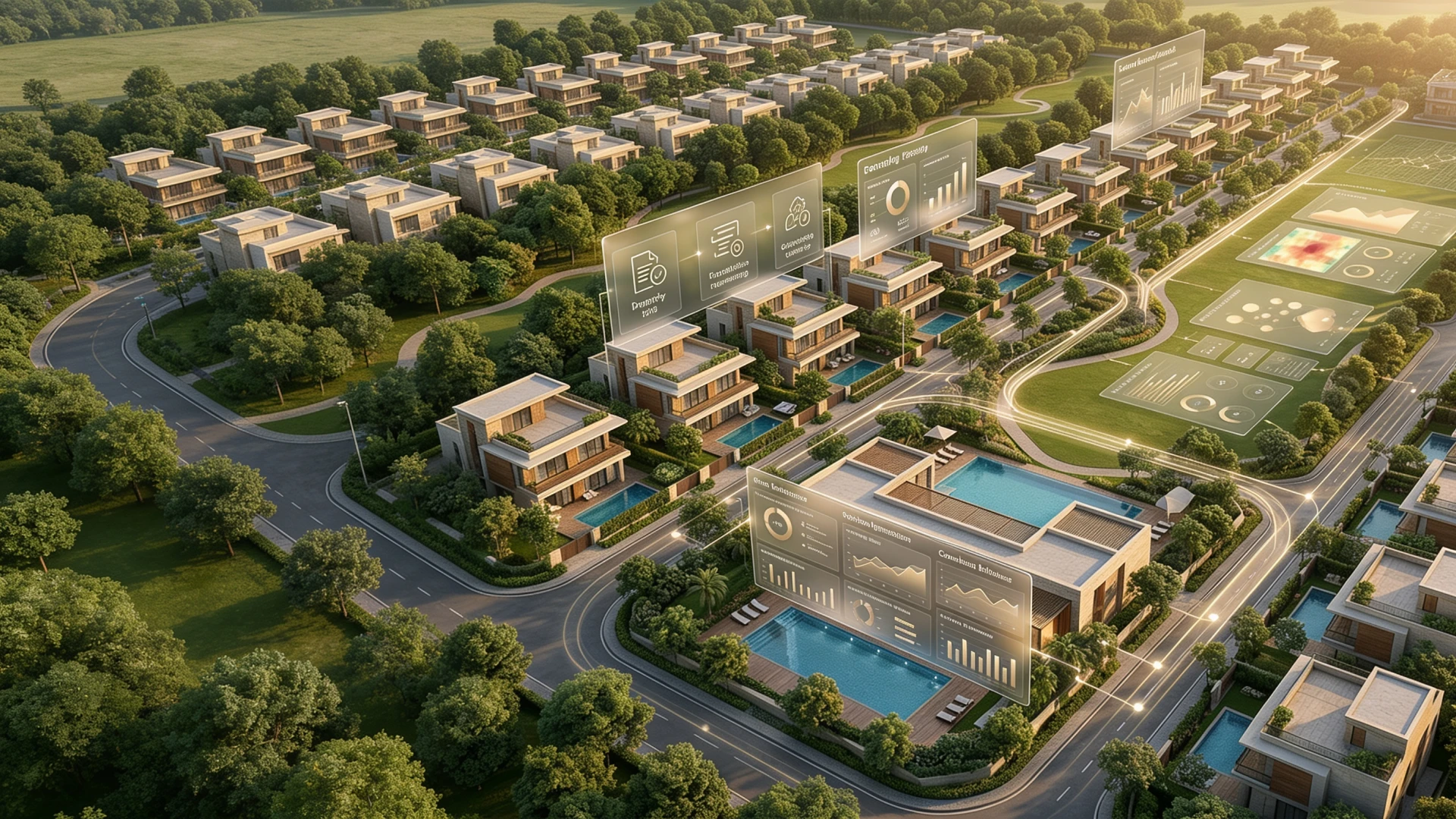
This transformation is not limited to marketing or listing portals. It extends across the full property lifecycle from demand capture and transaction management to long-term ownership and asset performance tracking. For developers, investors, and advisors alike, digital systems are becoming central to how risk is assessed, capital is deployed, and relationships are managed.

From Transactions to Structured Intelligence
Historically, real estate processes in India have been fragmented. Multiple intermediaries, extended timelines, paper-based documentation, and dispersed communication channels often created opacity. Today’s investors particularly HNIs, NRIs, and institutional participants expect structured workflows and real-time visibility.
Digital CRM platforms are increasingly serving as central intelligence systems. By capturing engagement signals, behavioural data, and transaction milestones, these platforms enable stakeholders to move from reactive decision-making to proactive strategy. Rather than relying solely on anecdotal feedback or manual tracking, developers and advisors can now monitor demand trends, buyer intent, and lifecycle progression with measurable precision.
Demand Visibility as a Strategic Advantage
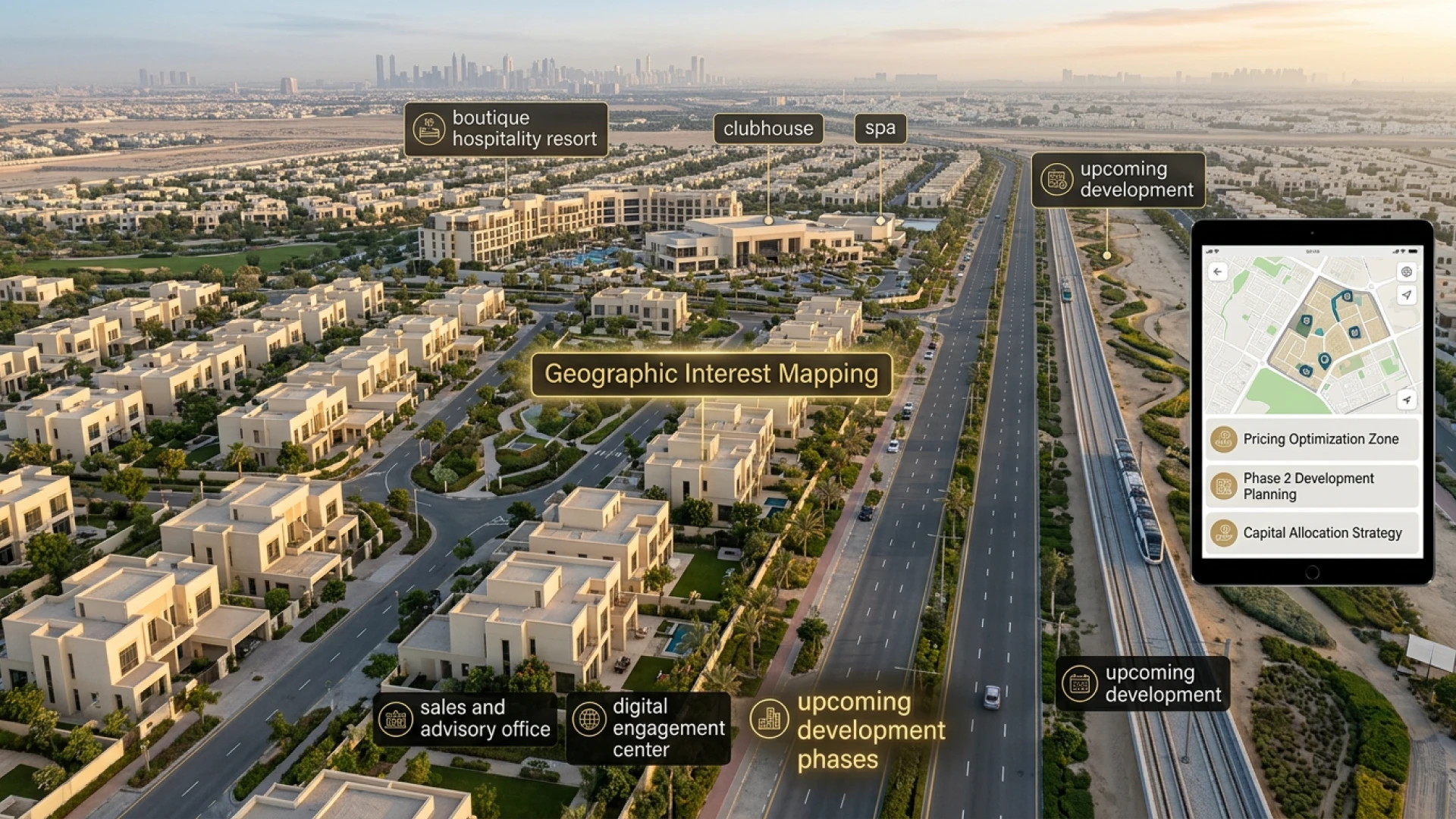
In volatile or emerging markets, visibility into demand patterns can significantly reduce uncertainty. Real-time engagement metrics, enquiry flow, and geographic interest mapping provide early indicators of product-market alignment.
For corridor-led developments particularly in emerging lifestyle zones such visibility can influence phasing decisions, pricing strategies, and capital allocation. Digital property platforms that integrate marketing, sales, and advisory workflows allow stakeholders to adapt quickly, reducing lag between market signals and strategic response.
In this context, digital infrastructure becomes not merely an operational tool but a strategic asset.
Lifecycle Tracking and Ownership Continuity
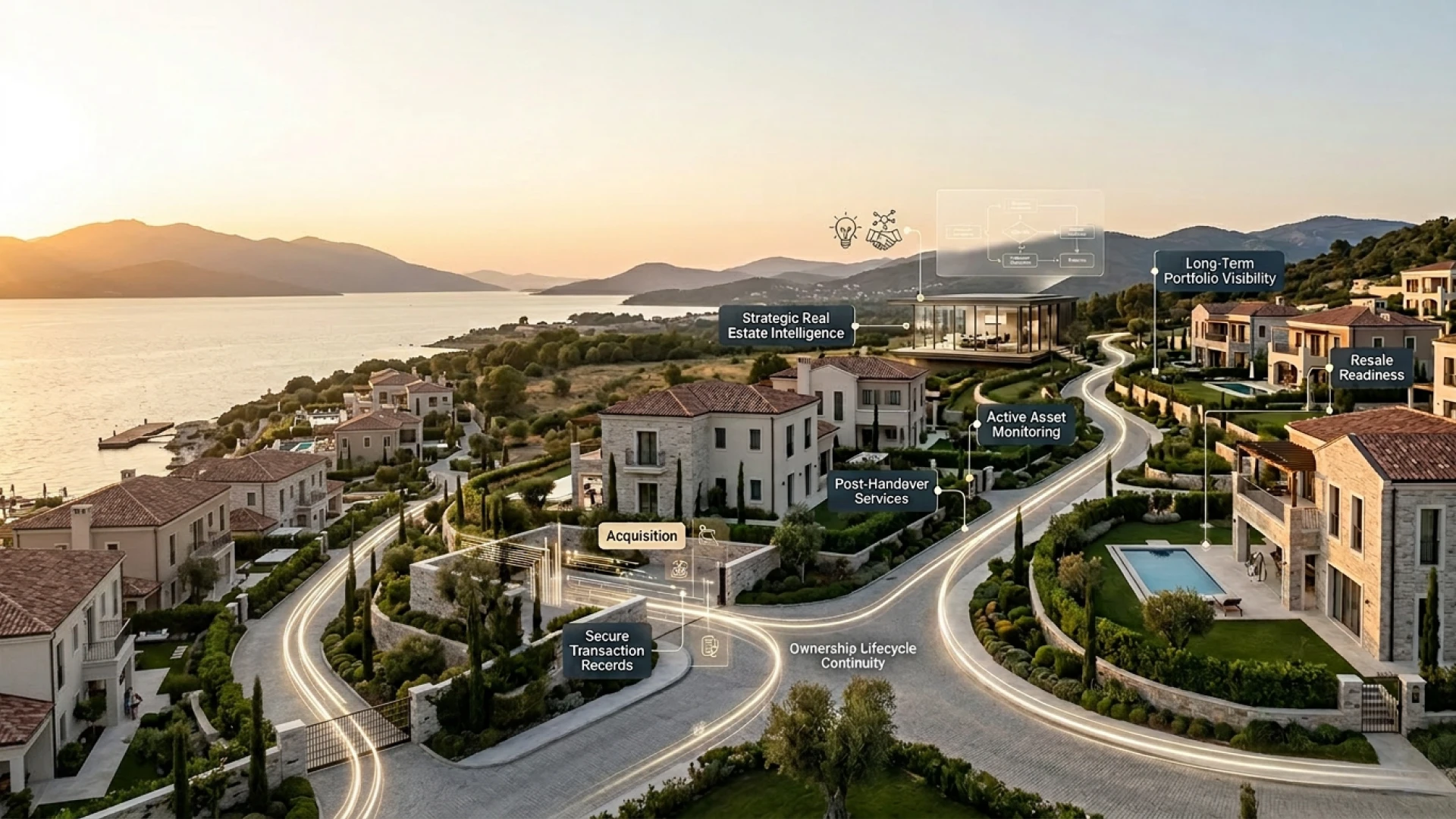
The real estate journey does not conclude at acquisition. Documentation updates, milestone tracking, post-handover services, and resale readiness require structured continuity. As buyers increasingly view second homes and lifestyle assets as part of diversified portfolios, long-term tracking becomes critical.
Integrated CRM and property platforms create a single source of truth consolidating documentation, transaction history, engagement records, and asset data within a unified interface. This continuity enhances transparency, strengthens trust, and simplifies multi-year ownership journeys.
For globally mobile investors and time-constrained professionals, such systems reduce friction while preserving advisory depth.
Technology With Human Anchoring
Despite rapid digitisation, technology does not replace judgement. It enhances it. Automated workflows can streamline scheduling, documentation, and engagement tracking, but trust, negotiation expertise, and contextual market understanding remain fundamentally human.
The strongest digital ecosystems are those that blend structured intelligence with advisory discipline. Secure data management, interoperability, and cybersecurity are increasingly critical considerations, particularly as property transactions involve high-value capital and sensitive documentation.
The Emerging Digital Standard
As India’s wealth base expands and real estate becomes more portfolio-driven, digital infrastructure will increasingly shape how assets are evaluated, acquired, and managed. Investors are likely to favour ecosystems that offer transparency, lifecycle visibility, and integrated intelligence over fragmented processes.
In this evolving landscape, proprietary digital CRM and property platforms are becoming foundational to long-term value creation. By unifying demand signals, ownership records, and operational insights, such systems enable more confident decisions and more resilient real estate outcomes.
The future of ownership will not be defined solely by where property is built, but by how intelligently it is managed across its lifecycle.